Best Supplements for Weight Loss: What Works, What’s Safe, and How to Use Them
Best Supplements for Weight Loss: What Works, What’s Safe, and How to Use Them
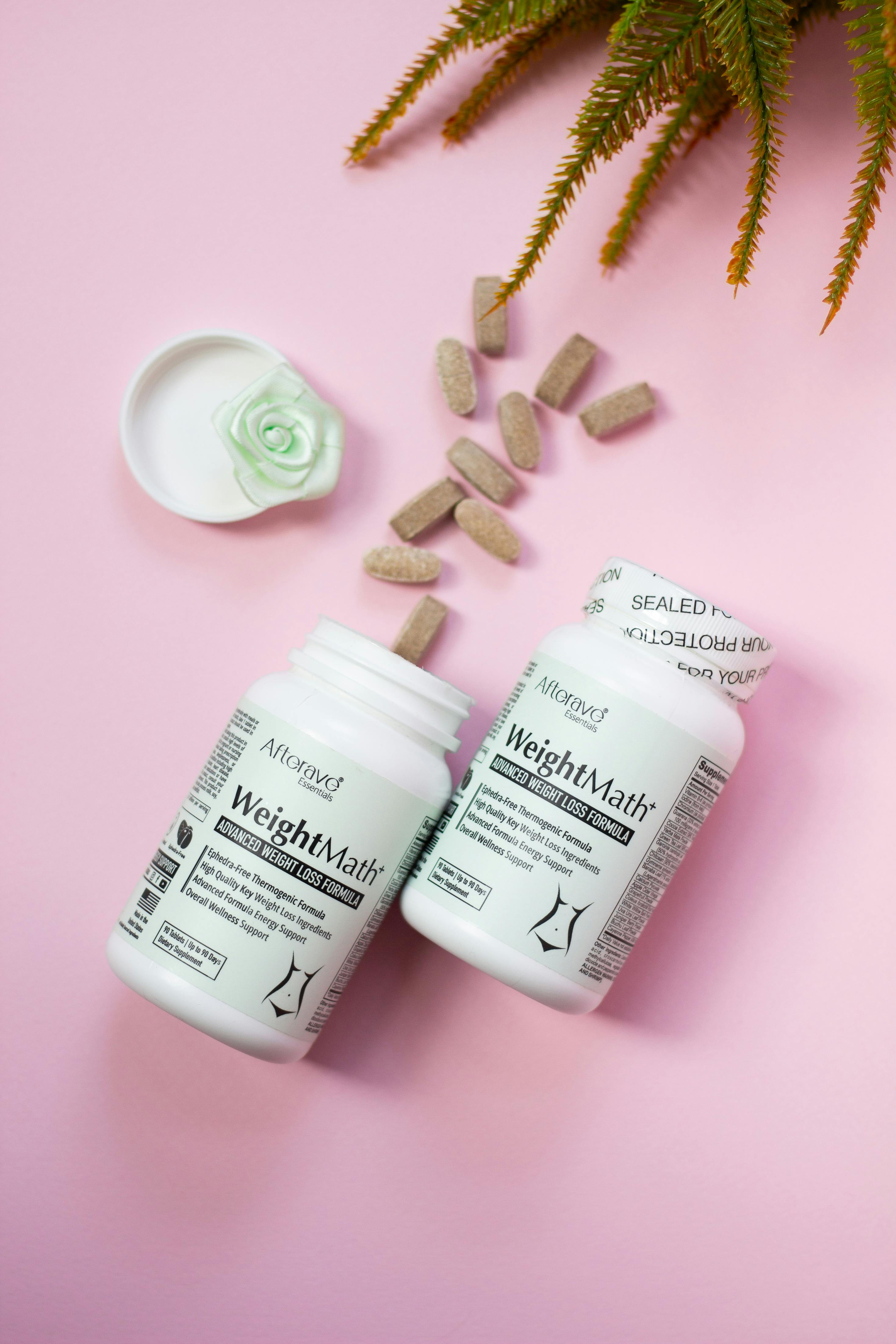
When trying to lose weight many people look to supplements for extra help. While no pill or powder replaces a healthy calorie-controlled diet and exercise, some supplements have modest, evidence-backed benefits and can support hunger control, metabolism, or body composition. Below you’ll find the most useful supplements for weight loss, how to use them safely, and how to combine them with good habits. If you’d like an easy-to-use supplement that complements a sensible weight loss plan, check out MITOLYN here: https://tinyurl.com/fitfuel12.
Understanding the role of supplements in weight loss
Supplements are tools — not miracles. Major medical organizations and reviews emphasize that lifestyle changes (diet + physical activity) are the foundation of sustained weight loss, while supplements may provide small, complementary effects. Always review safety, ingredient transparency, and potential interactions before trying a product.
Evidence-backed supplements that can help
1. Protein supplements (whey, casein, plant protein)
Why: Protein increases satiety, supports muscle retention during calorie deficits, and raises the thermic effect of food (you burn more calories digesting protein). Using a protein shake to meet daily protein goals makes it easier to preserve lean mass while losing fat. :contentReference[oaicite:16]{index=16}
How to use: Replace one high-calorie snack or part of a meal with a protein shake (200–300 kcal), or use a shake after training. Aim for total daily protein around 1.2–1.6 g/kg body weight if active.
2. Caffeine (and caffeinated green tea)
Why: Caffeine boosts energy expenditure and can increase fat oxidation acutely. Green tea extract (rich in EGCG) combines caffeine with catechins that may enhance fat burning and metabolic rate in modest amounts.
How to use: Moderate doses (equivalent to 1–3 cups of coffee) before exercise may improve performance and energy use. Don’t exceed recommended limits (often ~400 mg/day of caffeine for most adults).
3. Soluble fiber (glucomannan)
Why: Soluble fiber expands in the gut and increases fullness, which can reduce calorie intake. Some trials show modest weight loss benefits when used with a calorie control plan.
How to use: Take as directed (typically before meals) with plenty of water. Watch for bloating or gas in sensitive people.
4. Capsaicinoids / Capsinoids (from chili peppers)
Why: These compounds can slightly increase metabolic rate and fat oxidation and reduce appetite in some people. Effects are usually modest but can add up when paired with diet and movement.
5. Probiotics (specific strains)
Why: Emerging evidence suggests some probiotic strains can modestly affect weight and metabolism by influencing gut microbiota, though findings vary by strain and study. Use as an adjunct, not a replacement for diet or exercise.
Supplements with mixed or weak evidence
Garcinia cambogia has inconsistent results, CLA shows small and variable benefits, and many “fat blockers” have limited efficacy and unpleasant side effects. Major reviews caution that many popular “fat burner” products lack high-quality evidence, and some may contain undisclosed stimulants or contaminants — so buy only from reputable brands and third-party tested products.
How to choose safe, effective supplements
- Prioritize products with transparent labels (ingredient amounts listed).
- Look for third-party testing (NSF, USP, Informed-Sport).
- Choose clinically studied ingredients like whey protein, glucomannan, green tea extract, or caffeine.
- Avoid proprietary blends that hide dosages.
- Discuss with your clinician if you’re pregnant, breastfeeding, on medications, or have liver/heart conditions.
Practical stacking — how to combine supplements with diet and training
A simple, sensible stack for many people:
- Protein supplement (whey or plant protein) to reach daily protein goals and replace high-calorie snacks.
- Green tea extract or a moderate caffeine source pre-workout for energy and slight metabolic support.
- Soluble fiber supplement before a big meal to increase fullness.
Alongside this stack: maintain a modest calorie deficit (250–500 kcal/day), include strength training 2–4x/week, and get quality sleep. Supplements are the “tiny gears” that help the engine run more smoothly — the engine is diet + exercise.
If you want a single, convenient product that’s formulated to support energy, recovery, and nutrition during a weight loss plan, explore MITOLYN: https://tinyurl.com/fitfuel12.
Risks, side effects, and red flags
- Liver or kidney stress: some concentrated herbal extracts have been linked to liver injury at high doses.
- Stimulant overload: multiple sources of caffeine or unknown stimulants can raise heart rate and blood pressure.
- Unknown ingredients: cheap weight loss formulas sometimes include undisclosed prescription drugs or analogs.
Buy trusted brands and third-party tested products. For safety guidelines and ingredient reviews, see NIH and Mayo Clinic resources.
FAQs (Frequently Asked Questions)
Are weight loss supplements necessary?
No — they’re optional. Diet and exercise are the foundation. Supplements can provide modest additional benefits when used correctly.
Which supplement is best for appetite control?
Soluble fibers (e.g., glucomannan) and high-protein meals are most consistently associated with increased fullness.
Is green tea extract safe?
Generally yes at moderate doses, but high doses can stress the liver in rare cases — follow product dosing and consult a clinician.
Can protein shakes make you gain weight?
They can if they push you into a calorie surplus. Use them to replace higher-calorie foods or to meet protein needs within your calorie goals.
Conclusion
Supplements can help support weight loss, but they’re never a substitute for a calorie-controlled diet, resistance training, good sleep, and stress management. Prioritize evidence-based options — protein, caffeine/green tea extract, soluble fiber, select probiotics, and capsaicinoids — and always focus on safety: reputable brands, transparent labels, third-party testing, and clinician guidance when needed. If you want a convenient, research-informed product to simplify nutrition while you lose weight, explore MITOLYN here: https://tinyurl.com/fitfuel12.


Comments
Post a Comment