Meditation for Beginners: A Complete Guide to Building Awareness, Calm, and Emotional Balance

Meditation for Beginners: A Complete Guide to Building Awareness, Calm, and Emotional Balance
Meditation is often misunderstood as a practice for emptying the mind or escaping everyday life. In reality, meditation is a practical skill that trains awareness, emotional balance, and mental clarity.
This guide is written for beginners who want to understand what meditation actually is, how to practice it safely, and how consistent awareness leads to lasting calm and psychological stability.
What Meditation Really Is (and What It Is Not)
Meditation is not about stopping thoughts or forcing calm. Thoughts naturally arise in the human mind. Meditation changes how we relate to those thoughts.
What Meditation Is
- Training awareness
- Learning to observe thoughts without reacting
- Developing emotional regulation
- Strengthening attention and clarity
What Meditation Is Not
- Clearing the mind completely
- Suppressing emotions
- Escaping responsibilities
- Achieving instant calm
Understanding this distinction prevents frustration and unrealistic expectations.
Why Meditation Works: The Psychology Behind Awareness

Psychologically, stress and anxiety are driven by automatic reactions. Meditation interrupts this cycle by introducing awareness between stimulus and response.
What Awareness Changes
- Reduces emotional reactivity
- Creates mental space
- Improves impulse control
- Enhances emotional clarity
Instead of being controlled by thoughts, you learn to observe them.
The Nervous System and Meditation

Meditation activates the parasympathetic nervous system, which governs rest and recovery. This reduces chronic stress and supports emotional balance.
Physiological Benefits
- Lower stress hormone levels
- Slower heart rate
- Improved breathing patterns
- Greater nervous system stability
When the body feels safe, the mind naturally becomes calmer.
How to Start Meditating as a Beginner
Starting meditation does not require special equipment or long sessions. Simplicity is key.
Step-by-Step Beginner Practice
- Sit comfortably with your spine upright
- Close your eyes or soften your gaze
- Bring attention to your breathing
- Notice thoughts without engaging them
- Gently return to awareness when distracted
Start with 5–10 minutes per day.
Common Beginner Challenges (and How to Handle Them)

“My mind won’t stop thinking”
This is normal. Meditation is not about stopping thoughts, but noticing them.
“I feel restless or bored”
Restlessness often appears when the mind is no longer distracted.
“I don’t feel calm”
Calm is a result of awareness, not a requirement for practice.
What Comes Next
In the next part of this guide, we will explore:
- Different meditation styles explained simply
- Breathing techniques for beginners
- How long meditation takes to show results
- How to build a daily habit
- Long-term benefits of consistent practice
This foundation prepares you for sustainable meditation practice.
Different Types of Meditation Explained Simply
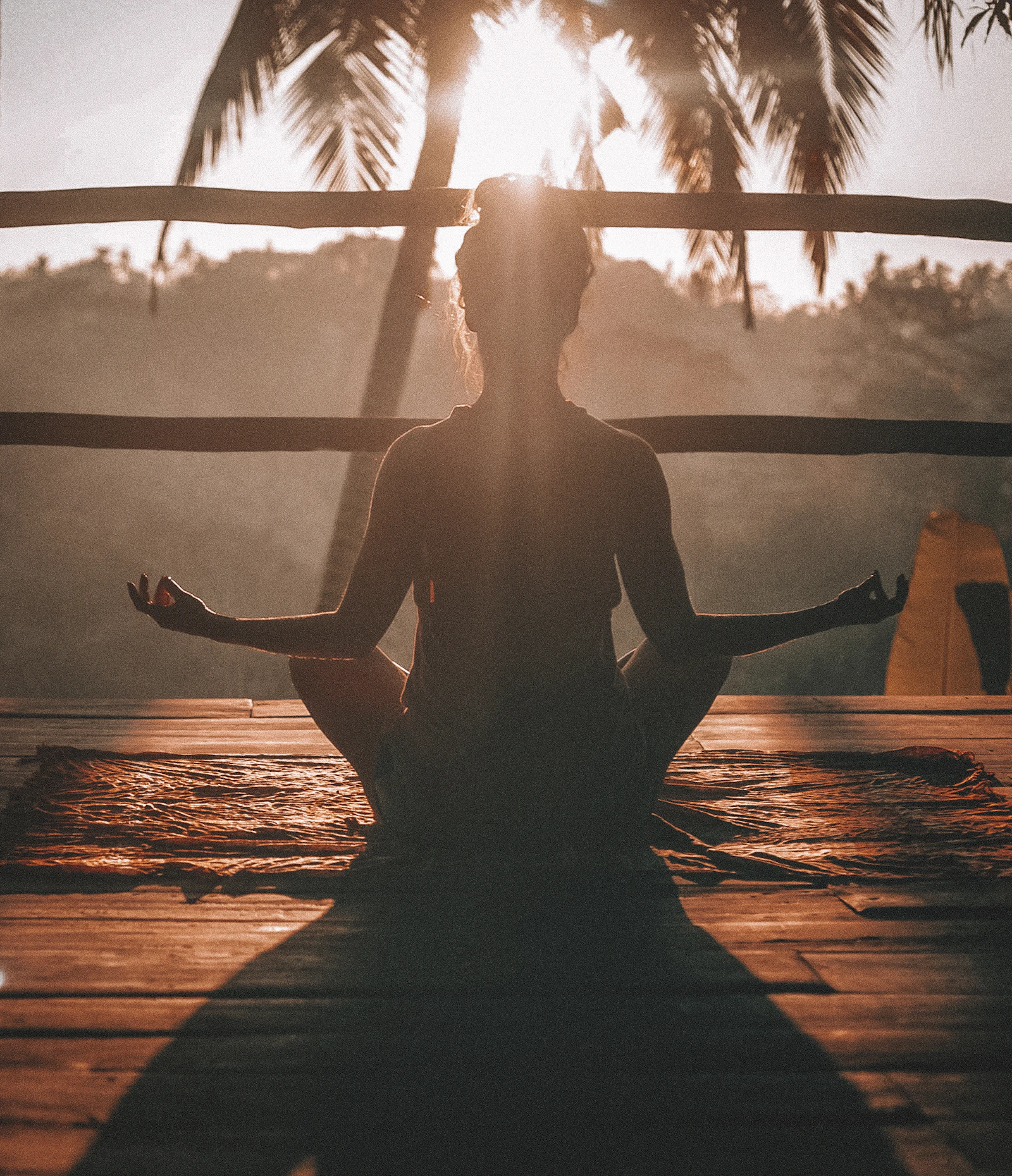
Many beginners struggle because they believe there is only one “correct” way to meditate. In reality, meditation includes multiple approaches, each supporting awareness in a different way.
| Meditation Type | Focus | Best For |
|---|---|---|
| Mindfulness Meditation | Present-moment awareness | Stress reduction, emotional clarity |
| Breathing Meditation | Breath observation | Calming the nervous system |
| Body Scan | Physical sensations | Relaxation and sleep |
| Loving-Kindness | Compassion and goodwill | Emotional healing |
For beginners, mindfulness and breathing meditation are the most accessible starting points.
Breathing Techniques for Beginner Meditation

1. Natural Breathing Awareness
Observe the breath as it is. Notice the rise and fall of the chest or abdomen. There is no need to control the breath.
2. Counting the Breath
Inhale and silently count “one.” Exhale and count “two.” Continue up to ten, then start again.
3. Extended Exhale Breathing
Inhale for four seconds and exhale for six seconds. This signals safety to the nervous system and promotes calm.
How Long Does Meditation Take to Show Results?
Meditation results are subtle at first. Unlike physical exercise, progress is often noticed through changes in emotional reactions rather than dramatic experiences.
Typical Timeline
- 1–2 weeks: Increased awareness of thoughts
- 3–4 weeks: Improved emotional regulation
- 2–3 months: Greater calm and mental clarity
- Long-term: Resilience and self-understanding
Consistency matters more than session length.
How to Build a Sustainable Daily Meditation Habit

Anchor Meditation to Existing Habits
Link meditation to something you already do daily, such as morning coffee or brushing your teeth.
Keep Sessions Short
Five minutes practiced daily is more valuable than thirty minutes practiced occasionally.
Remove Perfectionism
Some days will feel distracted. This does not mean the practice failed.
Long-Term Benefits of Consistent Meditation
With regular practice, meditation influences multiple areas of life:
- Improved emotional resilience
- Better focus and decision-making
- Reduced stress reactivity
- Greater self-awareness
- Healthier relationships
Meditation becomes less about technique and more about how you relate to experience.
Frequently Asked Questions
Can meditation replace therapy?
No. Meditation supports mental health but does not replace professional treatment.
Is meditation religious?
Meditation can be practiced in a completely secular way.
What is the best time to meditate?
Morning and evening are popular, but consistency matters more than timing.
Can I meditate lying down?
Yes, but beginners may fall asleep. Sitting upright supports alertness.
Is it normal to feel emotional during meditation?
Yes. Awareness can bring suppressed emotions to the surface.
Final Thoughts: Meditation as a Lifelong Skill

Meditation is not about achieving a special state. It is about learning to meet life with awareness, balance, and clarity.
With patience and consistency, meditation becomes a practical tool for navigating emotions, stress, and daily challenges.
This guide serves as a foundation. From here, your practice can evolve naturally as awareness deepens.