How to Break Bad Habits: Psychology-Backed Strategies
How to Break Bad Habits: Psychology-Backed Strategies
Practical techniques from behavioral science to replace old patterns with better ones—step by step.
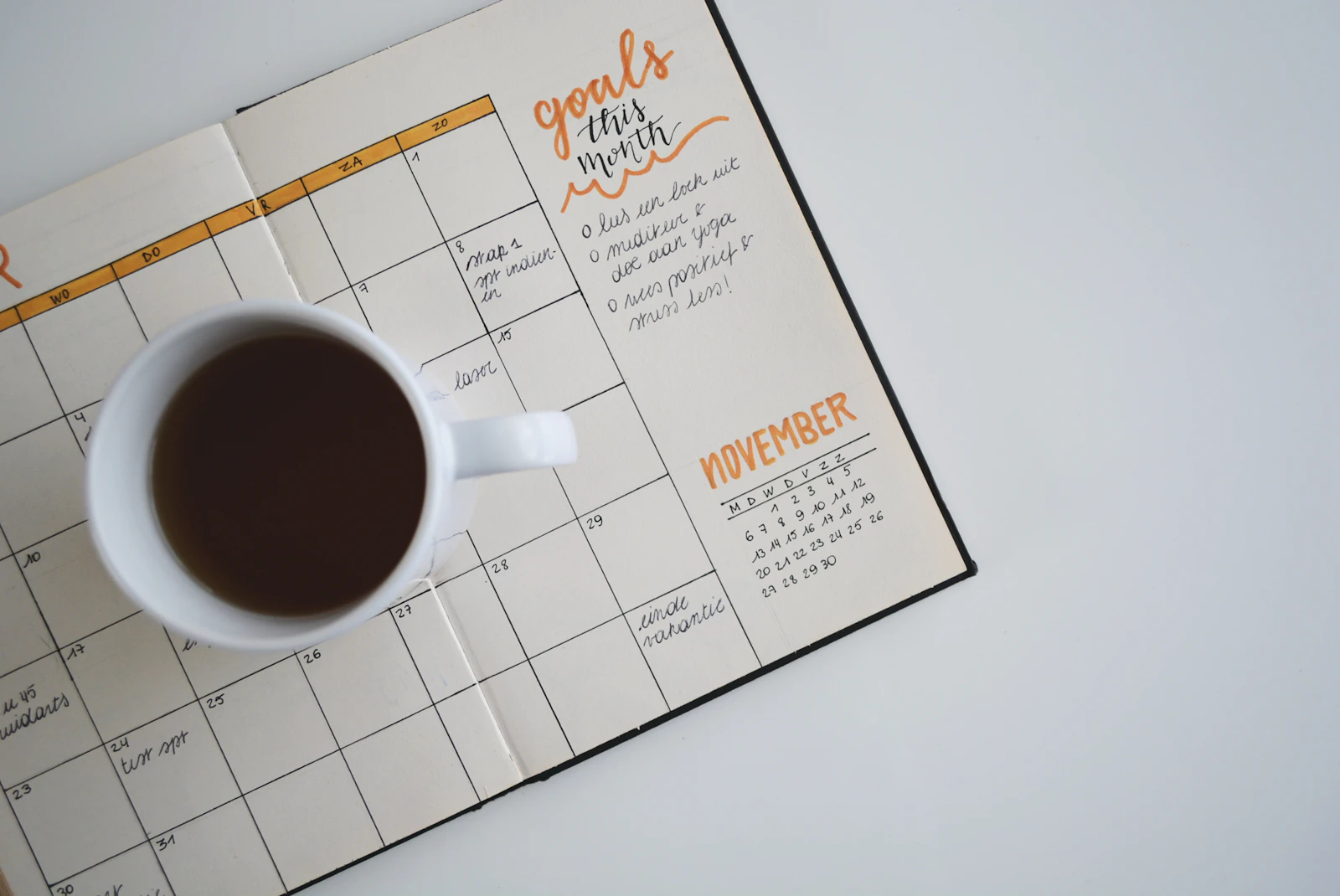
Bad habits don’t mean you’re “undisciplined”—they’re efficient patterns your brain learned to save energy. The goal isn’t to fight willpower forever; it’s to redesign cues, routines, and rewards so the easiest path becomes the healthy one. Start small, move consistently, and let the science do the heavy lifting.
1) Understand the Habit Loop (Cue → Routine → Reward)
Every habit follows a loop: a cue triggers a routine that delivers a reward. Instead of “stopping” a habit, swap the routine while keeping the same cue and reward. For example, after stressful emails (cue), you normally scroll social (routine) for relief (reward). Replace the routine with a 90-second walk or 10 deep breaths—still get relief, without the spiral.

2) Shift to Identity-Based Habits
Behaviors stick when they match how you see yourself. Instead of “I’m trying to quit late-night snacking,” say “I’m the kind of person who shuts the kitchen after dinner.” Each repetition is a vote for the identity you want. Make your first steps small enough to win daily.
3) Design Your Environment
Your surroundings nudge your choices. Make the good habit obvious and the bad habit invisible. Put a water bottle on your desk, keep fruit at eye level, and move junk food out of sight (or out of the house). For phone overuse, charge it outside the bedroom and keep a basic alarm clock by the bed.

4) Use If-Then Plans (Implementation Intentions)
Decide in advance what you’ll do when a cue hits: “If it’s 8:00 pm, then I make tea and read.” These simple plans reduce decision fatigue and make the new routine automatic.
- If I feel a snack craving after dinner, then I brush teeth and drink sparkling water.
- If I open social media during work, then I set a 2-minute timer and switch to my task list.
- If I skip a workout, then I do 5 minutes of mobility before bed.
5) Add Friction to Bad Habits, Remove It for Good Ones
Make the unhelpful behavior harder and the helpful one easier. Log out of distracting apps, move the TV remote to another room, and store treats on a high shelf. Lay out workout clothes the night before, prep cut fruit, and keep a book on your pillow.
6) Try Temptation Bundling
Pair something you want with something you’re trying to do. Only allow your favorite podcast while walking, or your favorite tea only when journaling. This fuses immediate pleasure to a long-term habit.
7) Accountability & Social Proof
Share your plan with a friend, post progress in a supportive community, or use a simple streak chart on the fridge. We stick with behaviors that our group values and expects.
8) Track, Review, and Iterate
A simple checkmark system works wonders. Track only the target routine (not perfection), review weekly, and adjust your environment or if-then plans. Expect slip-ups—design for recovery: never miss twice.
Reply “planner” and I’ll generate a free PDF you can use daily.
About MindFrame
Note: Educational content only—this is not medical advice. If a habit involves substances, mental health, or safety concerns, seek professional support.


Comments
Post a Comment