The Art of Conscious Living: Building Inner Peace in a Chaotic World
The Art of Conscious Living: Building Inner Peace in a Chaotic World
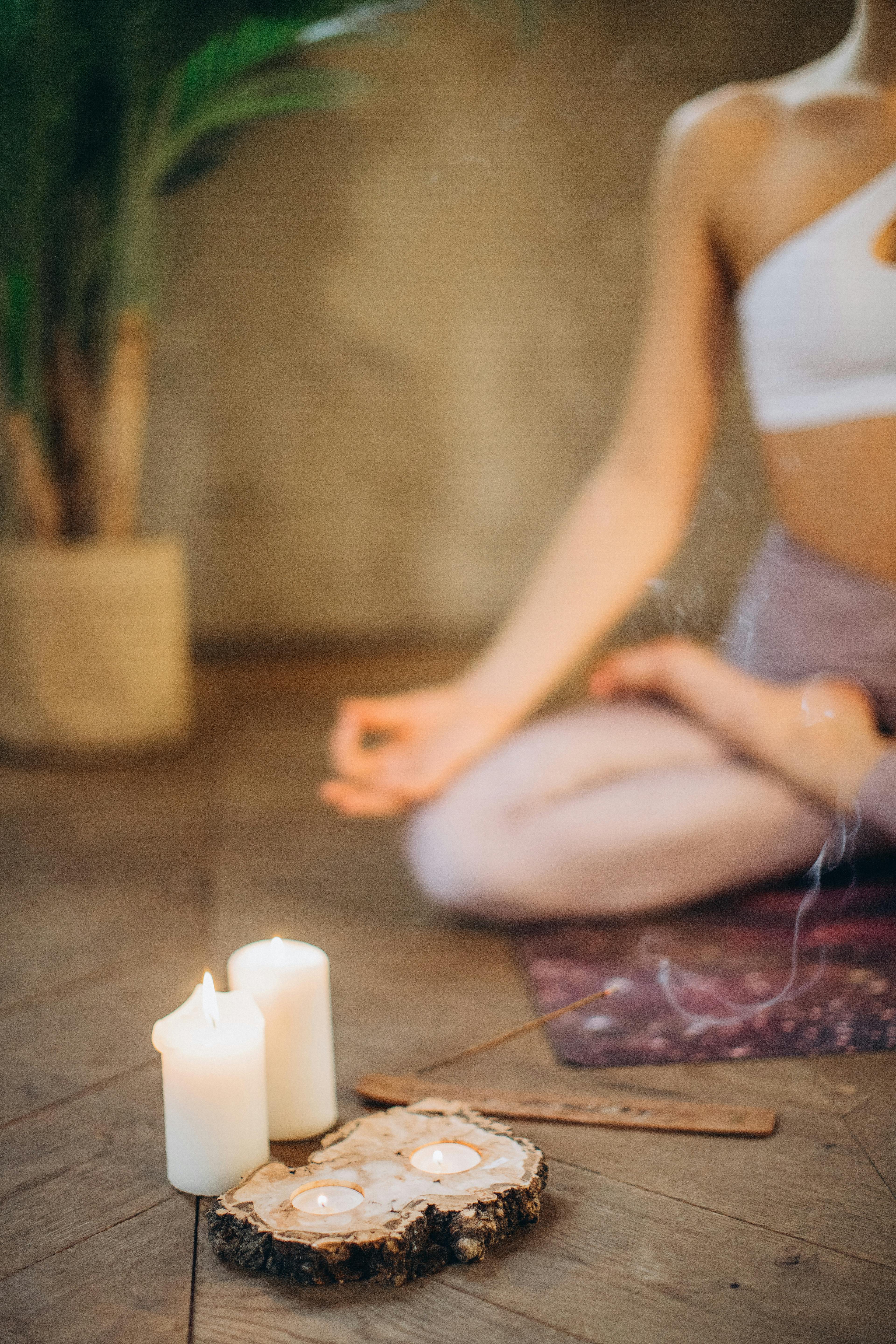
In a world filled with constant activity, digital distraction, emotional overwhelm, and endless responsibilities, inner peace can feel like a distant dream. Yet, conscious living reminds us of a simple truth:
You don't need a quieter world. You need a quieter mind.
This entire guide explores the art of conscious living — a powerful fusion of mindfulness, self-awareness, emotional intelligence, and intentional action. It teaches you how to stay centered even when your surroundings are chaotic.
And for a deeper understanding of emotional healing through mindfulness, you can explore this guide as well:
Emotional Healing Through Mindfulness — Complete Recovery Guide
What Is Conscious Living?

Conscious living means being deeply aware of your thoughts, emotions, behaviors, and inner patterns. It's the practice of intentionally choosing:
- Your reactions instead of giving automatic responses
- Your thoughts instead of running on subconscious programming
- Your perspective instead of absorbing the world’s chaos
- Your values instead of living on autopilot
When you live consciously, you stop operating from survival mode. You begin operating from presence, awareness, and inner alignment.
Conscious living is not perfection. It is daily awareness.
Why the World Feels So Chaotic Today
Modern life pulls us away from ourselves. Notifications, schedules, emotional demands, and mental exhaustion create a constant state of inner pressure. Humans were never designed to consume the amount of information we do today.
As a result, people experience:
- Chronic anxiety
- Emotional fatigue
- Overthinking spirals
- Loss of self-connection
- Inability to stay present
The outer world keeps increasing in volume, but the inner world is where peace is built.
The 7 Pillars of Conscious Living
1. Mindful Awareness
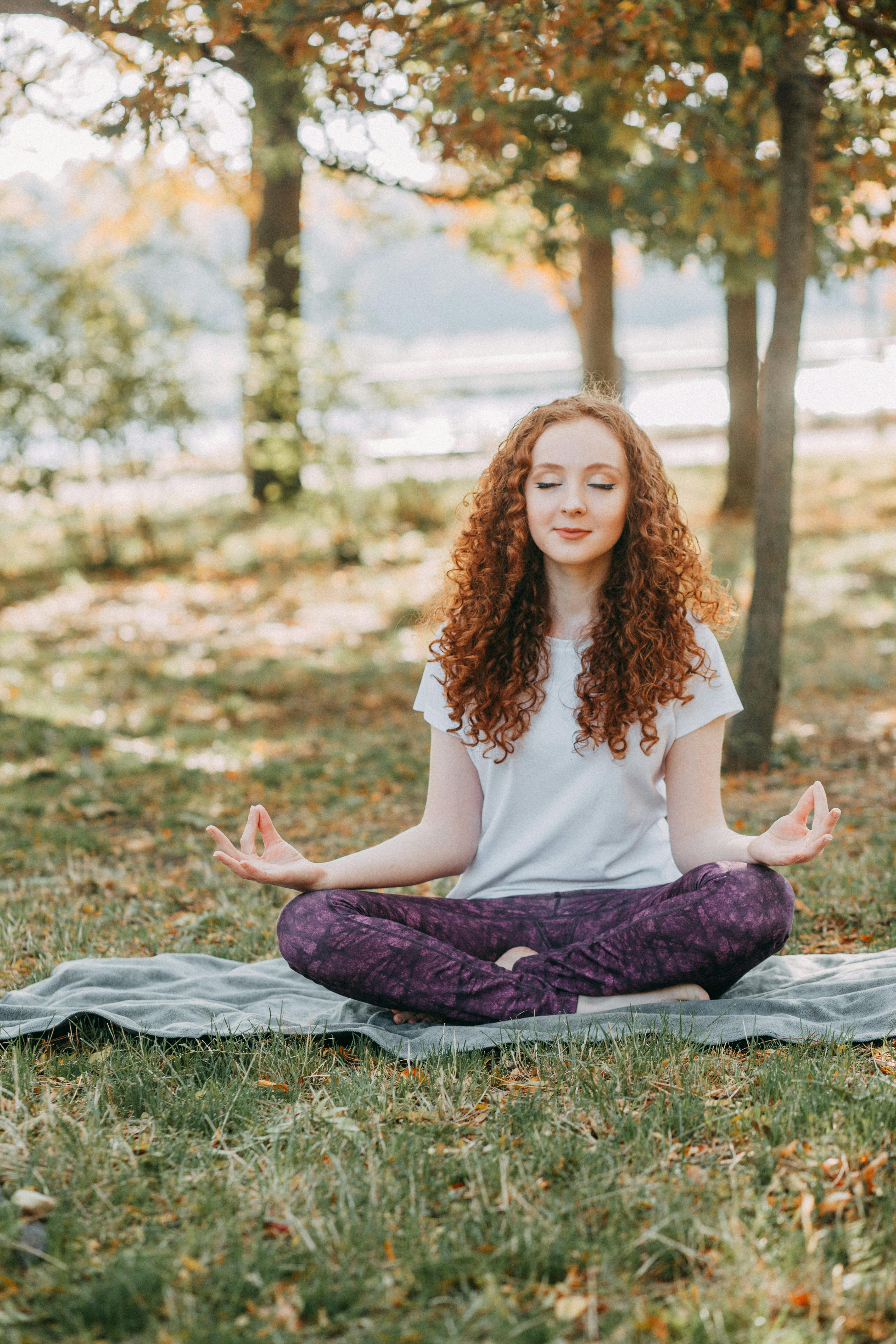
Mindfulness is the foundation of conscious living — the ability to witness your experience without becoming lost in it. Instead of reacting impulsively, you observe what’s happening inside you.
Mindful awareness helps you:
- Reduce emotional reactivity
- Release subconscious conditioning
- Calm stress and anxiety
- Build grounded presence
2. Emotional Honesty
You cannot heal what you refuse to feel. Conscious living encourages you to experience your emotions without judgment or suppression.
Emotional honesty helps you avoid emotional buildup, burnout, and inner conflict. It is the gateway to deeper self-understanding.
3. Intentional Action
Everyday actions shape your mind. When you live consciously, your behaviors reflect your true values — not just impulses or external pressures.
Intentional living requires you to ask:
Why am I doing what I'm doing?
Everything becomes a choice — even your thoughts.
4. Inner Stillness

Stillness is not the absence of thought; it is the absence of attachment to thought. Inner stillness allows intuition, clarity, and peace to rise.
You access stillness through:
- Meditation
- Deep breathing
- Slow movement (yoga, walking)
- Reducing mental noise
5. Presence
Presence brings your awareness back to this moment — not the past, not the future, but the now. Life only happens here.
Presence helps you:
- Reduce overthinking
- Break emotional loops
- Feel calmer and more grounded
- Connect more deeply with others
6. Self-Compassion
You cannot live consciously if you constantly judge yourself. Self-compassion gives you the space to grow without shame. It transforms inner resistance into acceptance.
7. Conscious Boundaries
Boundaries protect your emotional, mental, and energetic peace. Conscious boundaries involve saying “yes” and “no” from a place of awareness — not guilt or fear.
How Conscious Living Builds Inner Peace
Inner peace is not a destination — it’s a skill. And conscious living trains the mind to remain steady, centered, and emotionally regulated even during chaos.
Inner peace grows when:
- You stop fighting your emotions
- You stop absorbing external chaos
- You stop feeding negative mental patterns
Your internal state becomes less dependent on external conditions.
Conscious Living Exercises You Can Practice Daily
1. The 60-Second Breath Reset
Sit still, inhale slowly for 4 seconds, exhale for 6 seconds. Repeat. This activates your relaxation response almost instantly.
2. Observe Without Reacting
Instead of reacting, say to yourself: “I am noticing this emotion.”
This creates emotional space and reduces impulsive behavior.
3. Digital Mindfulness
Pause for 5 seconds before opening any app. Ask: “Is this necessary or a distraction?”
4. Conscious Gratitude Journal
List 3 things each night that brought peace, clarity, or joy. This rewires your brain toward calmness.
5. Intentional Morning Ritual
Before checking your phone, take 2 minutes to breathe, stretch, or set your intention for the day.
The Difference Between Living Consciously and Living on Autopilot
| Living on Autopilot | Living Consciously |
|---|---|
| Reacting impulsively | Responding with awareness |
| Chasing distractions | Choosing priorities |
| Emotional overwhelm | Emotional clarity |
| Stress-driven decisions | Intentional decisions |
| Disconnection | Inner alignment |
How to Stay Conscious in a Chaotic World
You cannot control the world, but you can control your internal environment. Conscious living teaches you to stay centered through:
- Awareness
- Acceptance
- Presence
- Stillness
- Emotional clarity
As chaos increases, consciousness becomes your anchor.
Final Thoughts: The Journey Back to Yourself
The art of conscious living is the art of returning to your truest self. Your inner peace is not something you must achieve — it’s something you uncover by removing the noise, fear, distraction, and outdated patterns that hide it.
The world may remain chaotic, but you do not have to be.
Your peace is your power.


Comments
Post a Comment